
Clean Energy Is Winning. So Fossil Fuels Changed Tactics.
Video content by Jon Chandler
As renewable energy scales up, so does the fear campaign against it.
You’ve probably seen it. The headlines claim that offshore wind is killing property values. Posts saying solar farms ruin farmland. Windfarms are killing birds. Comment sections full of warnings that clean energy is unreliable, dangerous, or ugly.
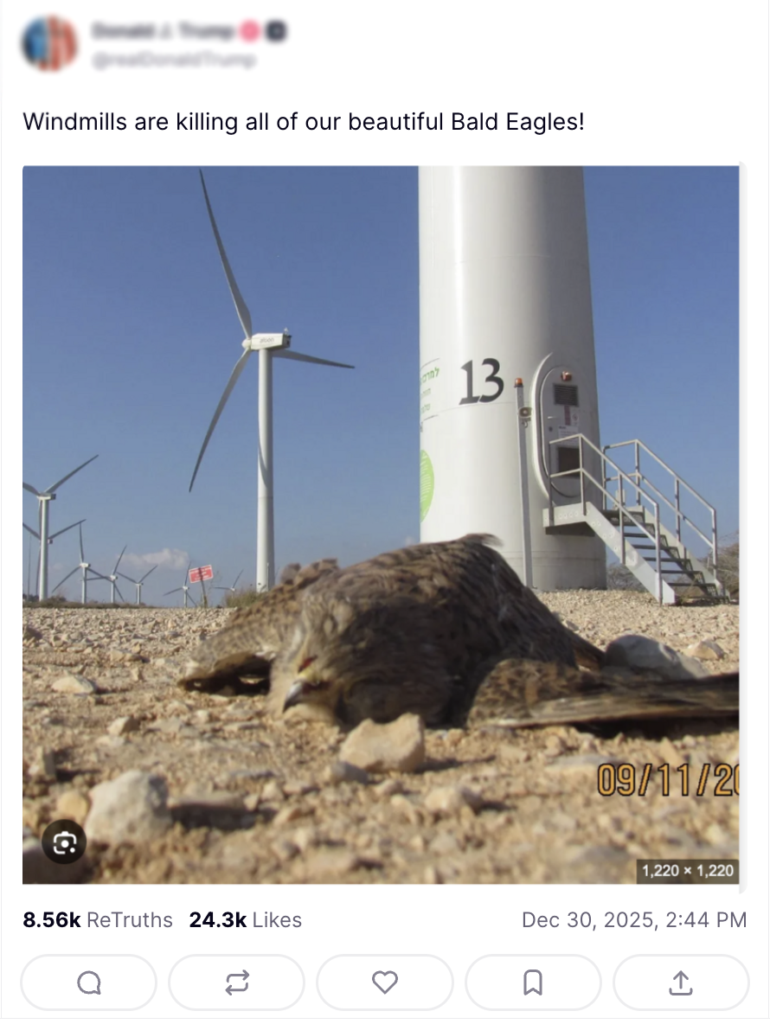
What you’re watching is a coordinated disinformation campaign funded by fossil fuel interests.
If you have caught yourself questioning whether the transition to renewable energy is a safe or responsible move, the information offered here will be a love letter to human progress and innovation.
Mis vs Disinformation
Before we go further, a quick gut check: not all false information is created equal.
Sometimes people share incorrect claims because they don’t know better. That’s misinformation. Other times, bad actors intentionally seed misleading narratives to distract, delay, or dodge accountability. That’s disinformation.
Both show up in the climate conversations and stall progress.
Take the well-intentioned dad in the comments who insist offshore wind devastated bird populations. He likely isn’t trying to deceive anyone, even though he’s repeating a misleading talking point that distracts from the broader reality. The conversation shifts away from systemic climate solutions towards narrow and exaggerated claims. People begin in-fighting. And progress gets derailed.
Bursting Big Oil’s Bubble
The reality is, fossil fuel companies have resources, influence, and capital to run marketing campaigns and strategically place disinformation across the internet and beyond. And this has been happening for decades.
With proper research, we can quickly dispel claims that are not rooted in scientific fact.
Understanding how to spot deception in individuals is important, but the key is spotting when large systemic suppliers of our energy supply are lying.
Big oil companies say they support decarbonization, meaning cutting the carbon pollution that causes climate change, but they’re still expanding oil and gas production. You can’t lower carbon emissions while producing more fossil fuels.
The Concerns From Our Community
This community is engaged and informed, and we align in many ways. Here are a few thoughtful concerns we’ve seen in the comments:
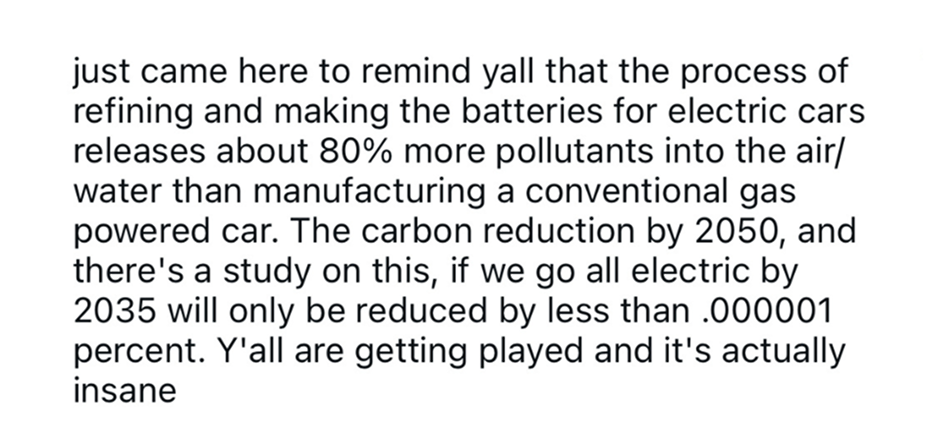
The concern: EV battery production and resource extraction for electric cars are more harmful than producing conventional gas cars.
The truth: There is no 100% full-proof method for resource extraction. Mineral mining indeed produces emissions, but researchers at MIT found that “on average, gasoline cars emit more than 350 grams of CO2 per mile driven over their lifetimes. The hybrid and plug-in hybrid versions, meanwhile, scored at around 260 grams per mile of carbon dioxide, while the fully battery-electric vehicle created just 200 grams.” (Climate.MIT.edu)
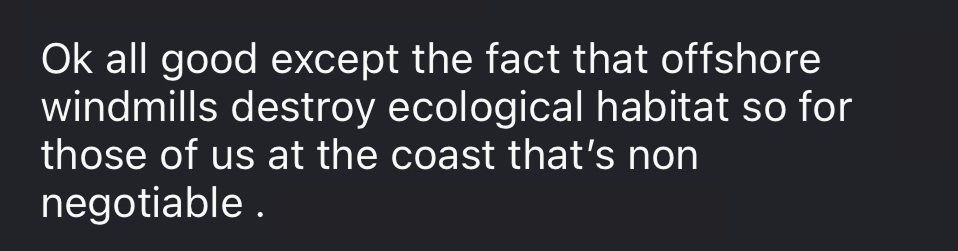
The concern: Offshore wind farms harm aquatic ecosystems and the habitats in which they are located.
The truth: Whether it’s clean energy or fossil fuel, human energy consumption requires infrastructure. Offshore oil rigs disrupt habitats, increasing the likelihood of spills that damage, injure, and poison our wildlife. While there are risks with offshore wind, and we should always pursue projects with conservation in mind, climate change is the greatest threat to ocean ecosystems. (Forbes)
These comments are prime examples of misinformation. Both of these are logical fallacies designed to dirty clean energy. One individual, making real claims and valid concerns, but unknowingly participating in red herrings and straw man arguments.
When Fact Meets Fiction
Some concerns are not inherently about the clean energy transition, but about new infrastructure and the climate consequences of building in or around our precious ecosystems – we agree.
The solution is to compare and contrast the outcomes of our inputs. Renewables require mining, as does crude oil. Solar farms require the development of land, as does fracking. The solutions require the same level of investment as oil extraction, but cause a fraction of the harm and have long-term ecological consequences. Let’s transition responsibly, with as low an impact as possible.
Clean energy is not perfect, but it offers the safest, cleanest, and most affordable way to power human endeavors and modern amenities that we’ve come to rely on.
Food For Thought
Perfection can often be the enemy of the good, the better, or the necessary. The undisputed truth:
- Fossil fuels present the greatest threat to wildlife and ecosystem health on the planet.
- Fossil fuels threaten human health.
- Fossil fuels use a tremendous amount of land and infrastructure.
Knowing how to identify misinformation, dispel straw man arguments and false analogies, and offer scientific evidence is not required, but it pushes the conversation forward.
How To Be Pillars of Truth for Climate Progress
Climate advocates from all walks of life have the opportunity to debunk and redirect criticism of the clean energy transition. And there are tangible ways to use your voice for good.
Know the facts by finding good sources. If an article, advertisement, or social media post is making large claims with no scientific backing, using your discernment is the top priority.
Find, follow, and fund organizations working to educate, empower, and employ in the clean energy movement. Protect Our Winters will always publish and promote meaningful calls to action to engage our politicians in the democratic process upon which this country is built.
Vote like your livelihood depends on it. Participating in local municipality elections, advocating for renewables, and educating your neighbors on the economic and climate benefits of clean energy help push the movement forward.

Author: Ollie Bowen
Raised in the Midwest but now proudly rooted in Vermont, Ollie has found home in the mountains, forests, and waterways of the Northeast. Whether climbing, camping, hiking, sailing, or snowboarding, they find joy and grounding in time spent outdoors. Before joining Protect Our Winters as Digital Marketing Coordinator, Ollie worked in Internal Communications at Burton […]
