
ICYMI: Federal Government’s Attack on Climate Progress Continues
Photo by Donny O’Neill
The Trump administration is moving fast to derail clean energy, undermine climate science, and reopen U.S. waters to drilling. These aren’t isolated actions. They’re part of a coordinated push that threatens energy independence, public lands, and all of us who rely on a stable climate and healthy outdoor spaces.
In case you missed the headlines during the holiday season, here’s what’s happening, why it matters, and what’s at stake.
Offshore Wind Projects Halted
The Department of the Interior halted five fully permitted offshore wind projects already under construction, including Vineyard Wind, Revolution Wind, Coastal Virginia Offshore Wind, Sunrise Wind, and Empire Wind. Citing vague, classified “national security” claims, this is how climate progress gets crushed: quietly, mid-build, under the guise of “security.”
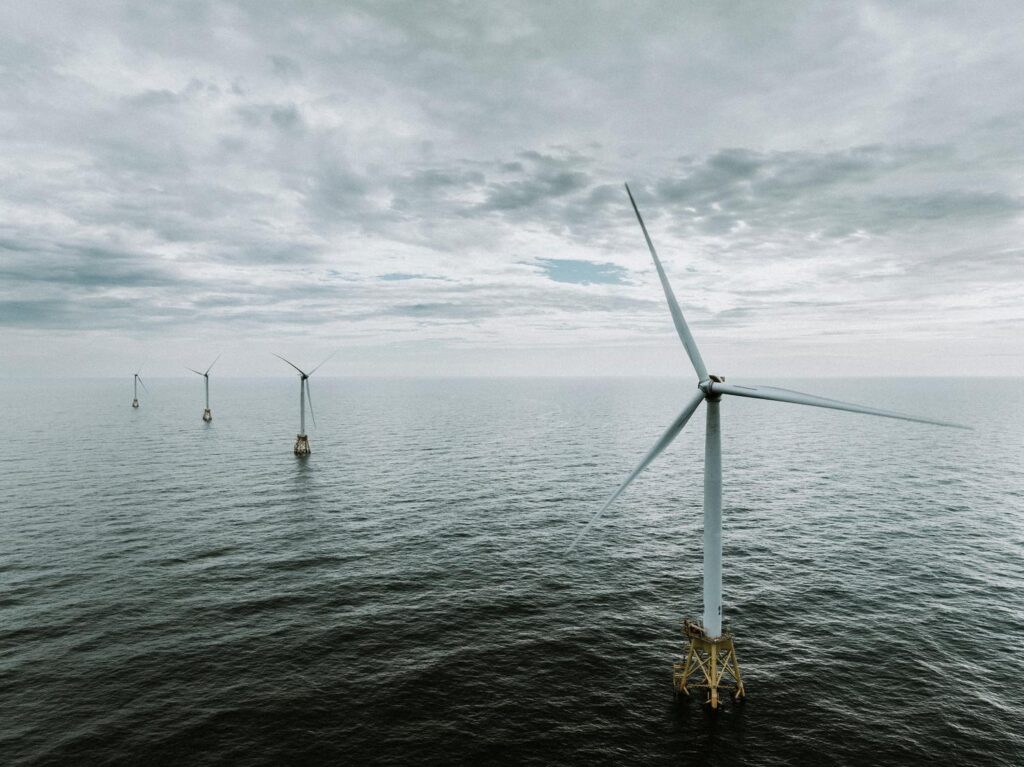
The consequences ripple far beyond offshore wind. This decision creates immediate harm and long-term risk by:
- Triggering economic whiplash for coastal communities and union workers who invested time, labor, and capital into these projects.
- Undermining trust in the federal permitting system by pausing projects after approvals are granted.
- Increasing costs and delays that keep fossil fuel prices volatile and slow urgently needed climate progress.
For POW, this is a flashing red warning light. Offshore wind is a proven national security asset. It is strengthening energy independence, grid resilience, and economic stability, but the administration is weaponizing national security language to bypass courts, science, and existing permits. This move:
- Sets a dangerous precedent for political interference in clean energy deployment.
- Threatens transmission, renewables on public lands, and future climate investments.
- Undercuts bipartisan momentum for pragmatic clean energy solutions.
- Pushes energy demand back toward fossil fuels and public lands extraction, directly conflicting with POW’s mission.
This isn’t just an attack on offshore wind. It’s a test case for how far federal power can be stretched to stall the clean energy transition.
Trump Administration Threatens to Shut Down NCAR
The administration’s threat to shut down the National Center for Atmospheric Research (NCAR) puts one of the world’s most critical climate science institutions at risk. NCAR underpins U.S. climate modeling, extreme weather forecasting, wildfire science, and long-term climate datasets used by governments, scientists, and communities nationwide.
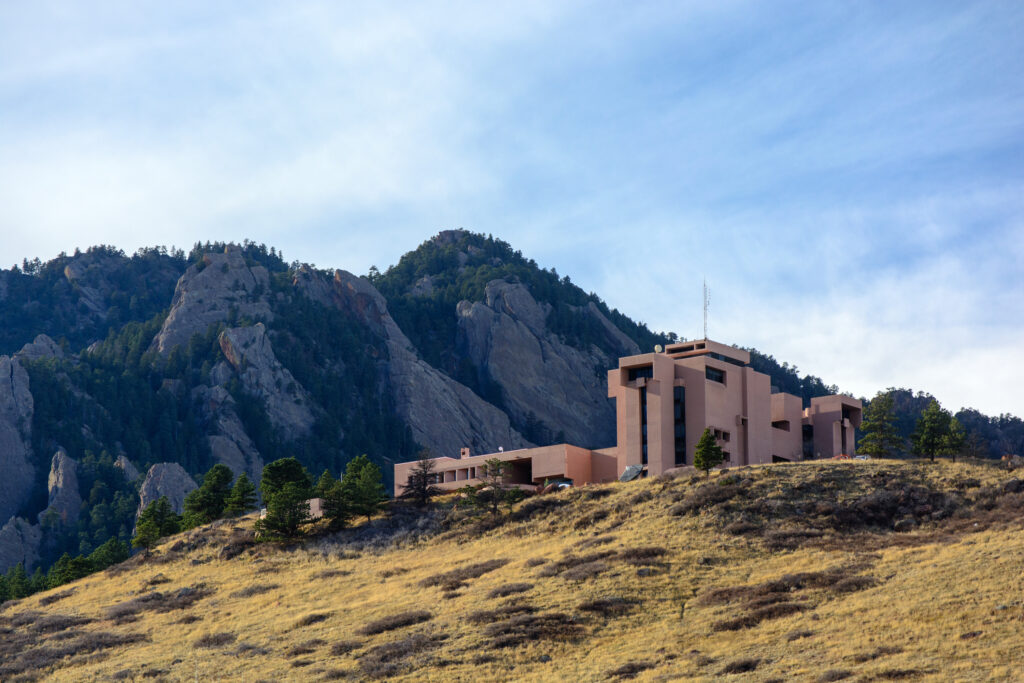
For POW, the consequences are direct. Our advocacy is grounded in trusted climate science, including the work of Science Alliance members, to protect clean air and water, frontline communities, and a healthy planet. Undermining NCAR erodes the scientific foundation behind snowpack projections, wildfire risk, water availability, and climate accountability, making it easier for decision-makers to delay action while impacts worsen.
Why It Matters:
- You can’t manage what you don’t measure: Shutting down NCAR creates dangerous blind spots as wildfire, drought, flooding, and heat intensify.
- Outdoor communities are hit first: Ski towns, mountain regions, farmers, guides, and rural economies rely on NCAR science to plan for safety, water, and resilience.
- Science enables accountability: Independent, nonpartisan research makes climate risks harder to ignore, and solutions harder to delay.
- This is the worst possible timing: Climate impacts are accelerating, not slowing. Weakening climate science now compounds future costs and losses.
Shutting down NCAR isn’t a bureaucratic decision; it’s a climate decision with cascading consequences. We stand with science and will continue to defend NCAR to protect winter, public lands, and our collective ability to respond to a rapidly warming world.
The Trump Administration Proposes 1.27B Acres of U.S. Waters to Offshore Drilling
The Trump administration has proposed opening 1.27 billion acres of U.S. waters, including California, Florida, Alaska, and the Arctic, to new offshore oil and gas drilling. This dramatic shift from recent policy, which significantly limited offshore leasing, puts coastal communities, wildlife, and the climate at risk.
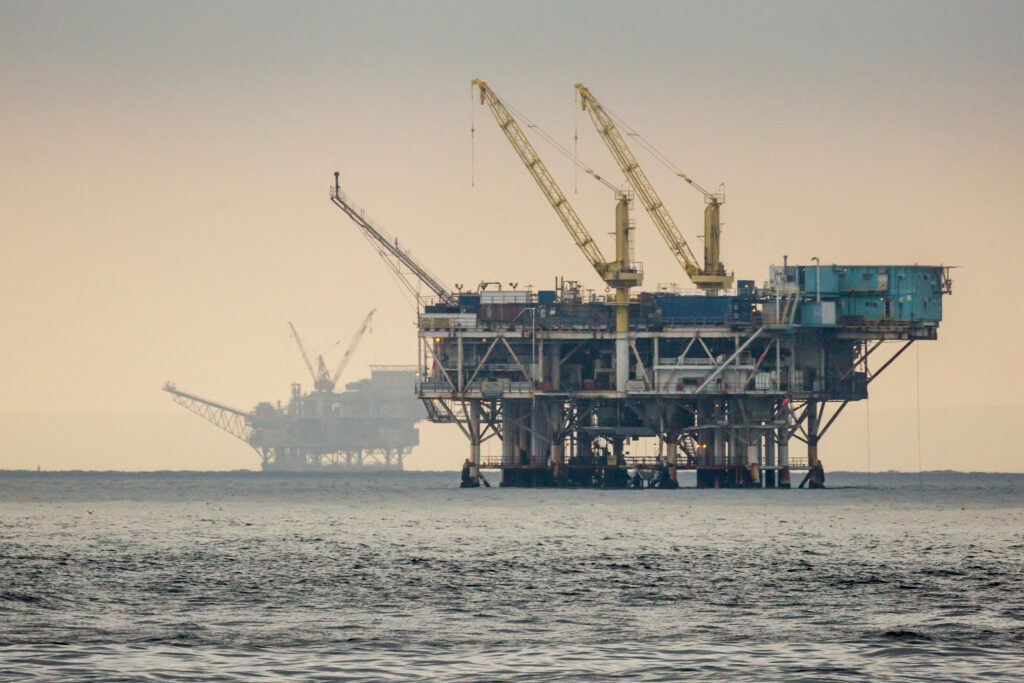
Increased offshore drilling means more fossil fuel extraction, higher greenhouse gas emissions, and worsening climate change. These impacts ripple far inland, affecting snowpack, river flows, forests, and ecosystems that outdoor communities rely on for recreation and livelihoods. Ocean health also drives global weather patterns, sea levels, and the carbon cycle, influencing ecological resilience and wildlife far from the shore.
POW is joining Surfrider Foundation to amplify public comment campaigns and build a coalition of inland and coastal voices opposing this plan. Whether you paddle, hike, or ski, what happens offshore affects us all, and we all have a voice to protect clean air, clean water, and a healthy planet for future generations. Join us by writing to the Trump Administration and demanding that they stop any new offshore drilling projects.
DOE Forces Colorado Coal Plant to Stay Online
When federal emergency powers are used to keep a broken, decades-old coal plant running, the consequences reach far beyond the power grid.
The U.S. Department of Energy (DOE) ordered the nearly 50-year-old Craig Generating Station Unit 1 in northwestern Colorado to remain online past its planned retirement, invoking emergency authority under the Federal Power Act. The order came just one day before the unit was scheduled to close, even though it had already been offline due to mechanical failure.
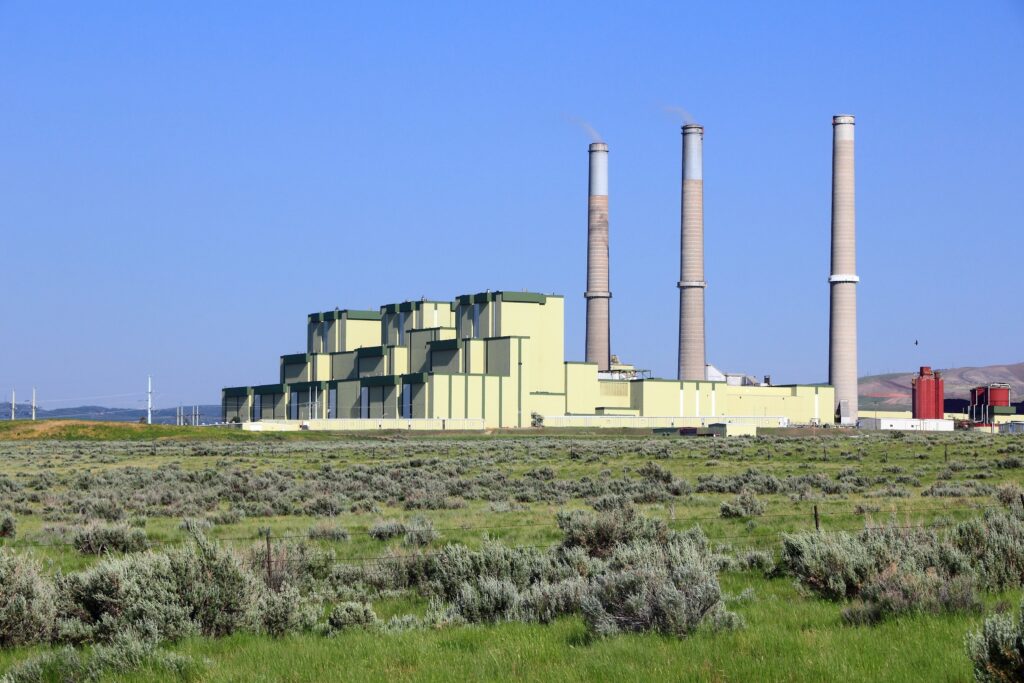
Utilities, Colorado leaders, and independent analysts warn that the decision overrides years of careful planning and forces an aging, uneconomic coal plant back into service. The result will create higher costs for ratepayers, more pollution, and delays to cleaner, more affordable energy that was already on the way.
Keeping Craig Unit 1 open is a lose-lose for communities, consumers, and the climate. The impacts are clear:
- More pollution: Extending the life of a coal plant locks in high carbon emissions and worsens regional air quality and haze, affecting nearby communities and public lands.
- Higher costs: Independent analysis estimates roughly $85 million per year in operating costs, largely passed on to rural ratepayers.
- Delayed clean energy: The plant was slated to be replaced with lower-cost, reliable clean energy through established state and utility planning processes.
- Sets a dangerous precedent: Using emergency powers to prop up failing fossil fuel infrastructure injects uncertainty into energy markets and discourages clean energy investment nationwide.
This decision directly undermines POW’s mission to defend clean air, clean water, and a healthy planet. Locking in more carbon pollution is especially damaging as the West warms faster than the global average. More emissions mean shrinking snowpack, earlier runoff, longer wildfire seasons, and degraded ecosystems, threatening Colorado’s outdoor recreation economy and the communities that depend on it.
It also hurts affordability. POW supports climate solutions that lower energy costs and strengthen rural resilience. Forcing an uneconomic coal plant to stay online does the opposite, raising electricity bills for rural households least able to absorb them.
The bottom line is that this move will raise costs for Coloradans, increase pollution and emissions, and delay the clean-energy transition that outdoor communities are counting on. Clean energy is ready, and it’s the smarter investment for our climate, our wallets, and our future.
From our oceans to our mountains, every attack on clean energy and climate science undermines the solutions we need to survive and thrive in a warming world. The solutions exist; what we need now are leaders willing to act. Your voice, your advocacy, and your vote in the 2026 midterms can turn the tide. Stand with science, push back against these attacks, and defend the future of clean air, clean water, snowy winters, and a healthy planet for generations to come.
