
Where Life Begins: Fishing, Caribou, and the Fight to Permanently Protect the Arctic Refuge
“I can’t believe how warm the water is! You know, we’re just starting to see King Salmon here, and we have never seen them here before. They are looking for colder water, so they keep swimming north, and now we are seeing them way up here.”
Fishing with Charlie Swaney is a lesson of water, people, and the land. Any time spent with Charlie is an exercise in knowledge sharing; that’s just who he is. Kind, articulate, weaving easygoing conversations of day-to-day life with major lessons of climate and resiliency without a hint of force. It all rolls into one. This summer, the student group I helped lead as a part of Informed Experiences was fortunate to spend time with Charlie at his allotment.
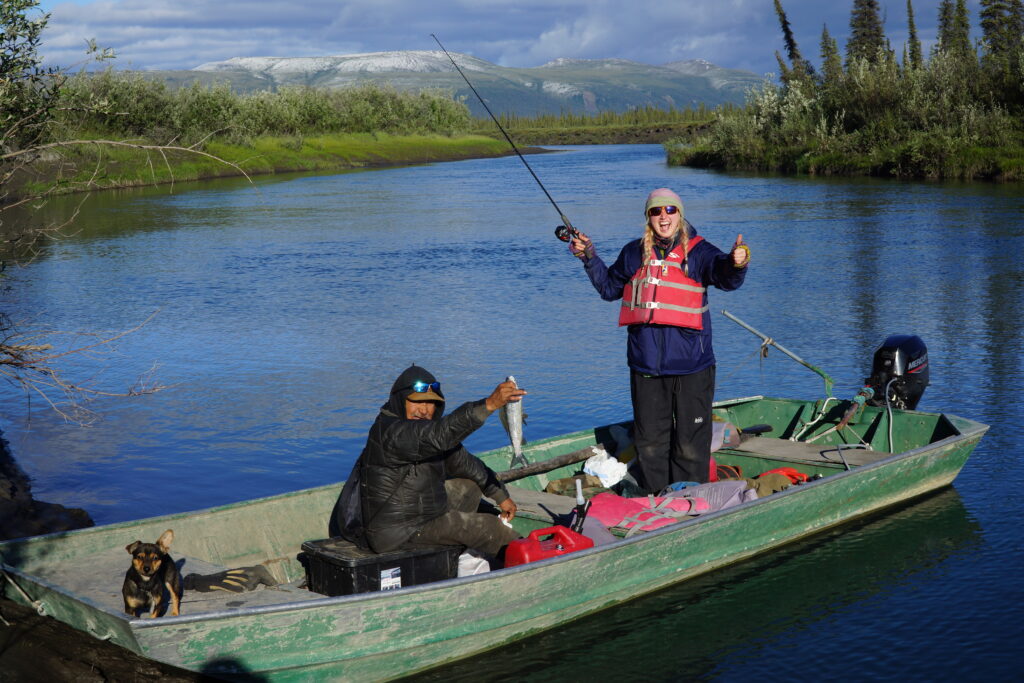
I first met Charlie back in 2014, during my first visit to Vashraii K’oo (Arctic Village). Within the first few minutes, I followed him to his hunting camp with my eight undergraduate students to hunt caribou. What I learned that day crystallized years of work in sustainability education. The connection to Caribou and advocating for their well-being is the same as advocating for the Gwich’in Nation. The people and land are one, and what befalls the Caribou befalls the people. So it’s no wonder that, after decades of conflict over whether the Arctic National Wildlife Refuge (Arctic Refuge) should be permanently protected, people like Charlie and the residents of Vashraii K’oo remain steadfast and united in their defense of the sacred.
Every visit to the Arctic Refuge is unique. Last summer, concern about the future of the Arctic Refuge grew so much that an emergency gathering was held to address the inevitable push for development, given the trajectory of the current U.S. administration. Even though this land, along with the Yukon Flats, represents some of the last intact ecosystems of its kind left on the planet—one of the most ecologically rich climate reserves left as is—the Bureau of Land Management (BLM) still held a lease sale to try and force industry interest in development. It failed, and has since become a rallying cry not just for Arctic Refuge defenders, but for those who continue speaking truth to power on the many intersecting issues of climate justice and sustainability across the U.S. and globe.
I asked Charlie what he thought, and he immediately responded, “Our voices are getting to the oil companies.” It’s one thing to have years and years of science and data on our side that clearly show the climate is changing, and in the Arctic these changes are happening four times faster than anywhere else in the world. Charlie continued, “The Earth is trying to tell us there’s something wrong.” This simple, profound truth is what we experienced fishing with him this summer, while also walking the land looking for moose and caribou. “Our food is our life; it’s who we are. Buying meat is too expensive and not good for us. Everything we need is here.” Understanding this issue through food unpacks it all. As subsistence sources shift due to climate change, so do the health of the people and the health of the land.
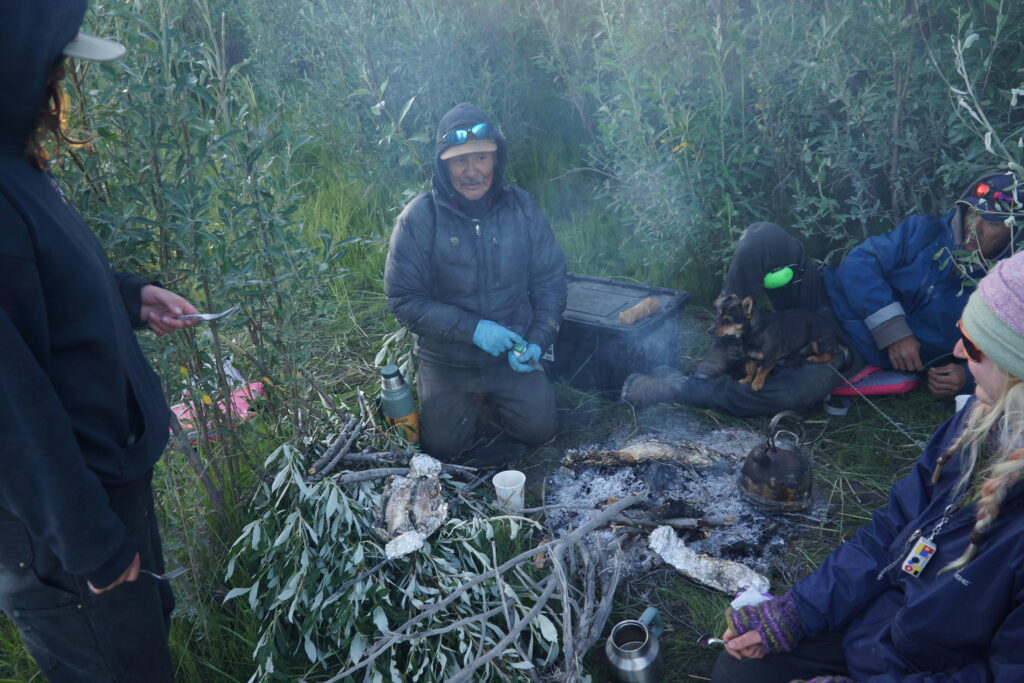
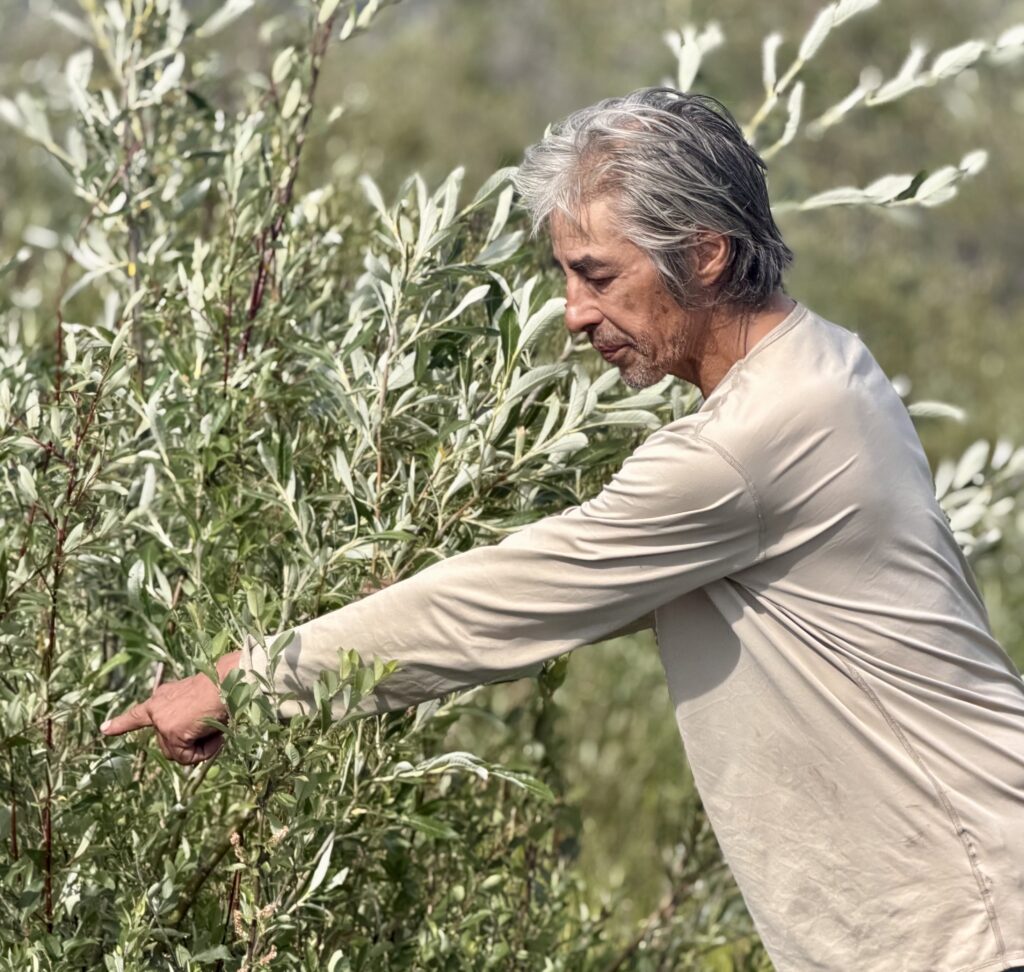
We spent most of our trip with Charlie this summer. No two trips I have ever done to the Village are the same. As we walked the shoreline of the East Fork of the Chandalar River, I commented on how thick and tall the willow was, experiencing Arctic Greening first-hand and in full effect. I have been in the area before, but even to me, after visiting for the past 13 years, I see and feel a big difference. The disparity is even clearer when you look at photos from just a few decades ago, when this land was tundra and devoid of such vegetation. We can see sinkholes and permafrost collapse, showing how the land responds to fluctuating climatic conditions. The land is incredibly adaptive here, as are the people, even though they have contributed the least to the problem.
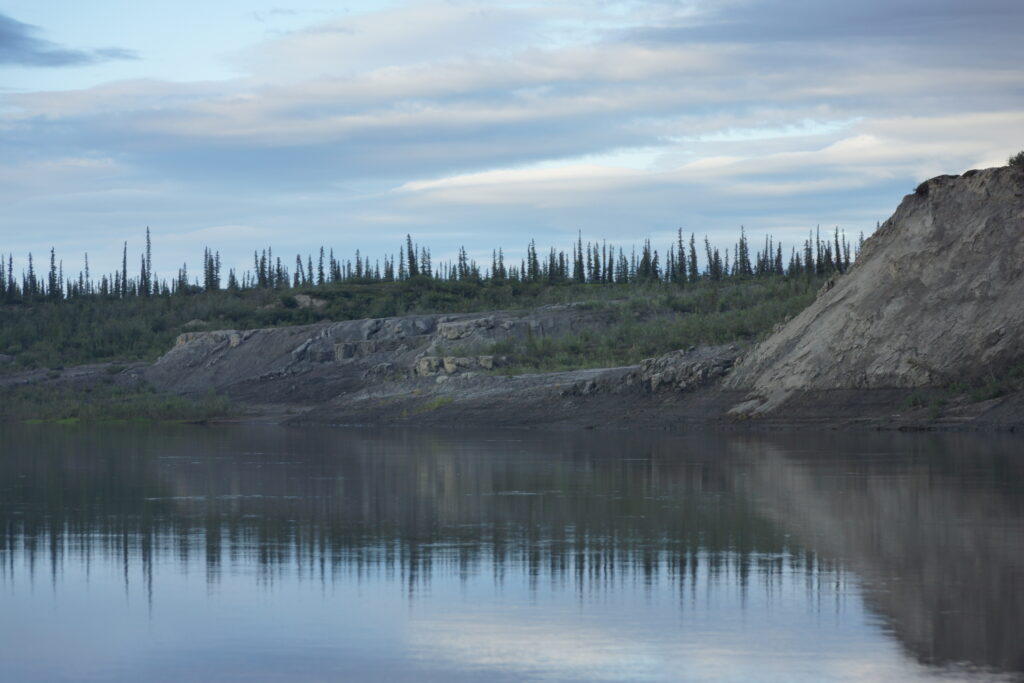
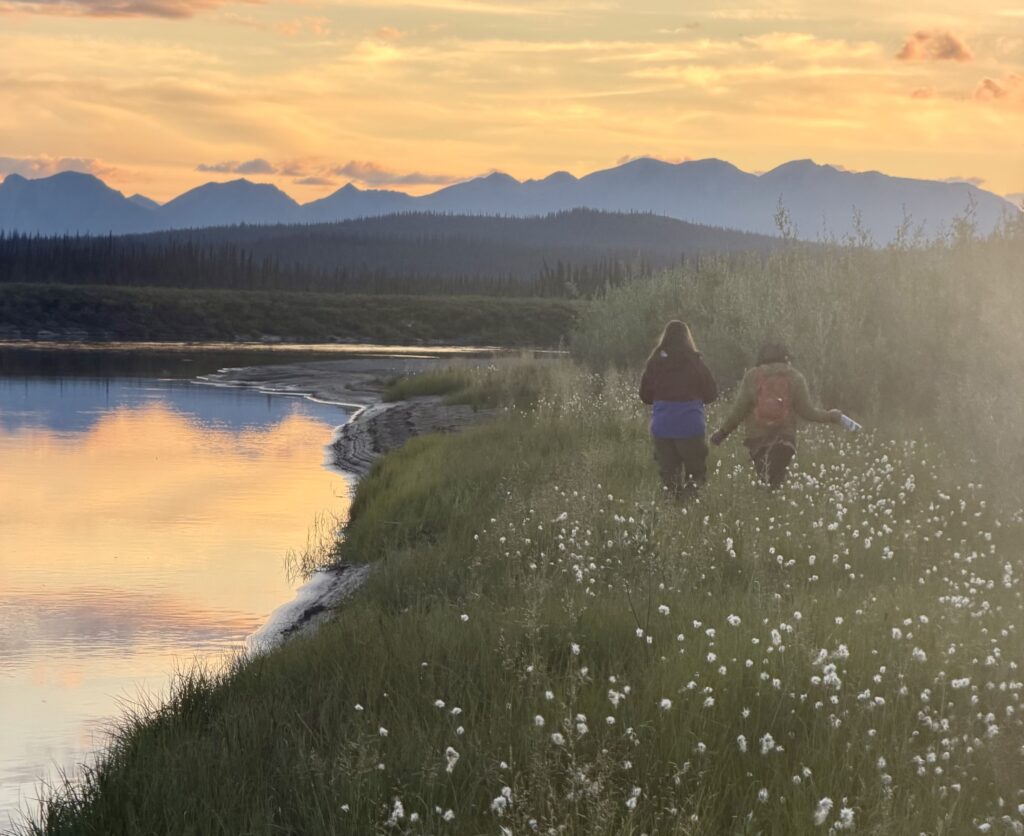
Protecting the Arctic Refuge has been a long-haul effort, and it’s going to continue that way. Such is the work of sustainability, climate, and regeneration. The Arctic Refuge is still as healthy today as it has always been because of the guardianship of Elders, the continued leadership of youth, and all the friends, allies, and co-conspirators who have listened and actively work to support permanent protection through their guidance.
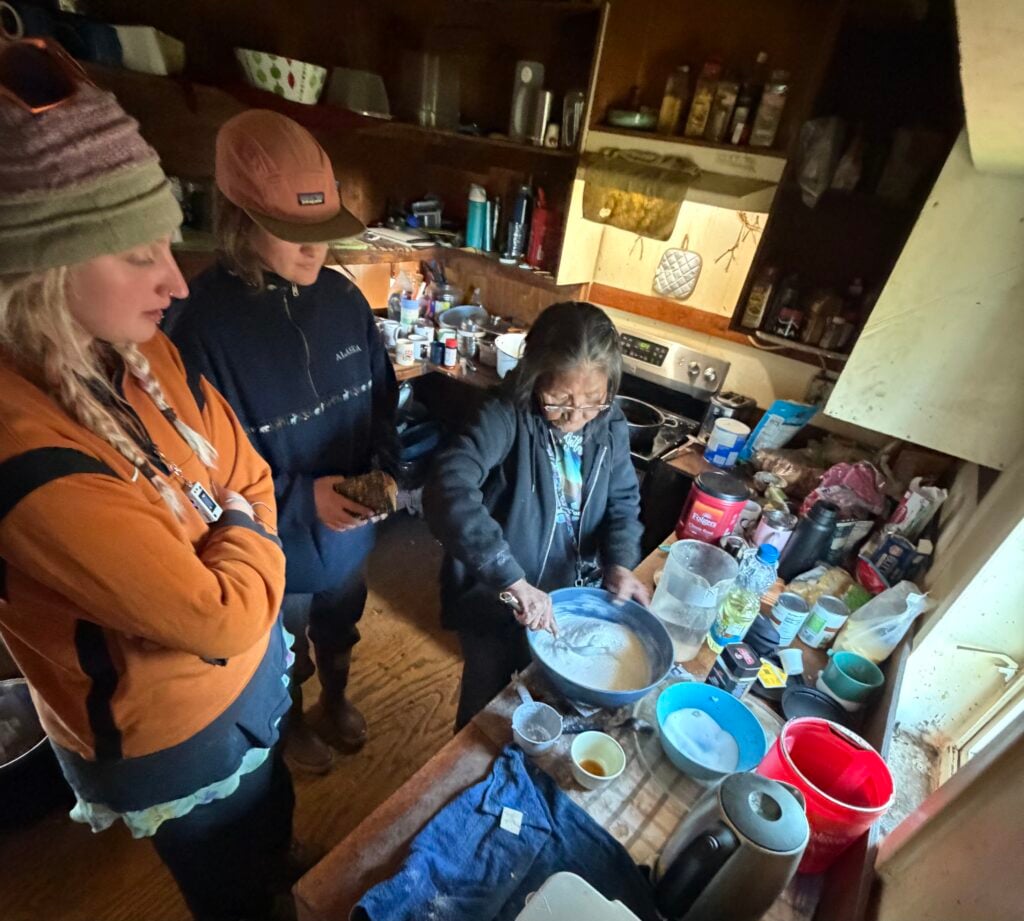
On our way back to the Village from the upriver camp, it’s just past midnight and beautifully calm, clear and bright. Magic Arctic light. Maybe even a tad chilly, even though it’s July. I spot a moose. The next day, our last day of the visit, the students and I get to visit with Marion, Joyce and Jimmy John, Marie and Abraham, and others. Everyone is happy to have fresh meat as the moose is shared widely. Joyce teaches the students how to make frybread. Marion teaches them how to cook moose, and Jimmy teaches us various ways to cut and store the meat. Not a single drop goes to waste, and every movement is done with respect.
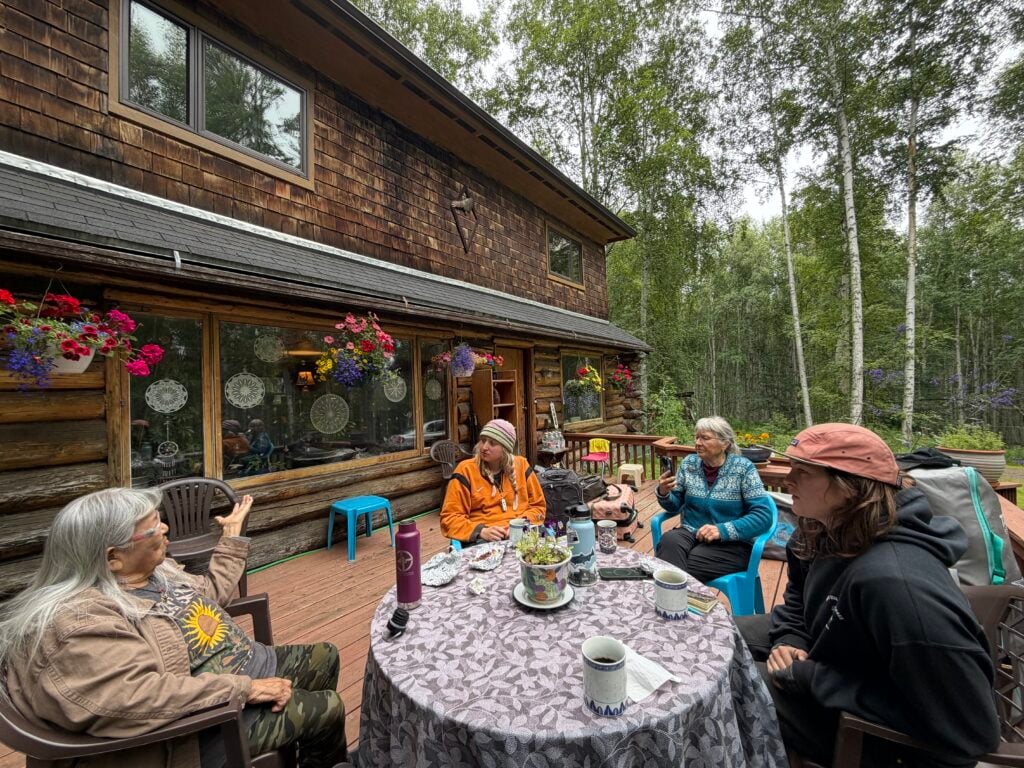
Back in Fairbanks, we visit former Goldman Prize winner, Neets’aii Gwich’in Elder Dr. Sarah James. She’s the reason we get to visit Vashraii K’oo in the first place, having invited me to bring students to her home years ago. Along with longtime Arctic Refuge advocate Pam Miller, we share stories, songs, and a lot of laughs. When Sarah is asked about the failed lease sales, she puts it bluntly: “We’re winning, but we have to keep going.” Beyond the localized efforts to defend the Arctic Refuge for the people and all its relatives, the ongoing movement for permanent protection of the Arctic Refuge reminds all people, climate and Earth defenders that no matter how far the unsustainable side of extraction and exploitation goes for another profit margin, there will be a uniting force to defend and celebrate along the way. It’s a message that ripples far and wide to other backyard movements with an emphasis that it’s not just the Arctic defenders who are winning; it’s all who are uniting their affinities together to defend the people, the land, the right to vote and right for places like the Arctic Refuge to remain in its original state, indefinitely.
This movement is something to acknowledge and celebrate as the work continues; the Outdoor State and its vast support network are ready and primed to continue onward. Just reading this is a step in advocating to protect the special place known in Gwich’in as Iizhik Gwats’an Gwandaii Goodlit; the Sacred Place where life begins. It’s your invitation to join us, to join one of the hundreds of groups around the country and world who actively support this effort. For the most current updates and guidance on who to support and act, follow GSC & SILA.
In active hope, Mahsiʼ Choo!

Author: Brennan Lagasse
Brennan Lagasse has been working on sustainability issues for the past two decades. His most recent multi-year effort focuses on the many intersecting issues surrounding protecting the Arctic National Wildlife Refuge. Leveraging his diverse skill set, Brennan continues working with the Gwich’in tribe and other Arctic Refuge allies to raise awareness, and get people activated […]
