
Get Outside, Give a Shit
Get Outside, Give a Shit
Graphics by Emma Murray
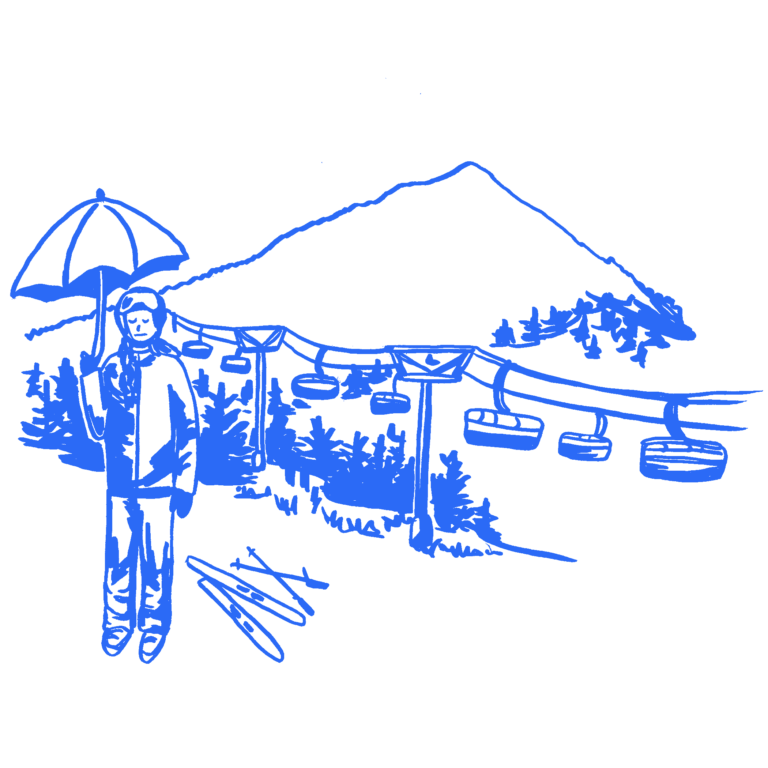
Most winter mornings at Turnagain, Red Mountain, Snoqualmie, or Teton Pass, a hungry line of trucks idle in the dark at various pullouts along the highway. People inside dig out mittens and take their last swig of coffee, exhaust hanging in the cold, burning fuel to go chase a thing fuel is unmaking: snow. We are those people. The mountains know exactly how much rides on a single degree: 31° and it’s a powder day, 32° and it’s raining on your hardshell. Fossil fuels churn through society in our gas tanks, zip lock bags, mittens, and Ptex, all while climate change is coming for the places we love most–the mountains we ski and climb, the trails we run and ride. So, what comes next?
Floods, fires, and heat dominate headlines. People are put at risk and communities are handed the bill for a problem they didn’t cause. We see a climate crisis, but we also see the other side of the ledger. Solar is 90% cheaper than it was fifteen years ago. The U.S. emits less carbon than it did in 2010, even as the economy has grown. More Americans than ever are worried about a warming world. We see our kids, and the winters we want to hand them. We see a friend breaking trail on a bluebird morning. We all need clean air, clean water, and a healthy planet. For two decades, Protect Our Winters has organized the outdoor community to fight for it.
POW was founded in 2007 by the snowboarder Jeremy Jones on a simple bet: that the leaders of the outdoor community can have an outsized impact in protecting the landscapes we love by taking up the fight against climate change. We started with snow, but have grown from there. We have now expanded our organizing to more sports, we’ve brought in scientists, storytellers and brands, and gone deeper into communities in key geographies across the country. Collectively, we both push for the policies and projects that cool a warming world, and we also train our community to fight for those solutions. Climate change is solvable. That isn’t optimism; it’s our assignment.
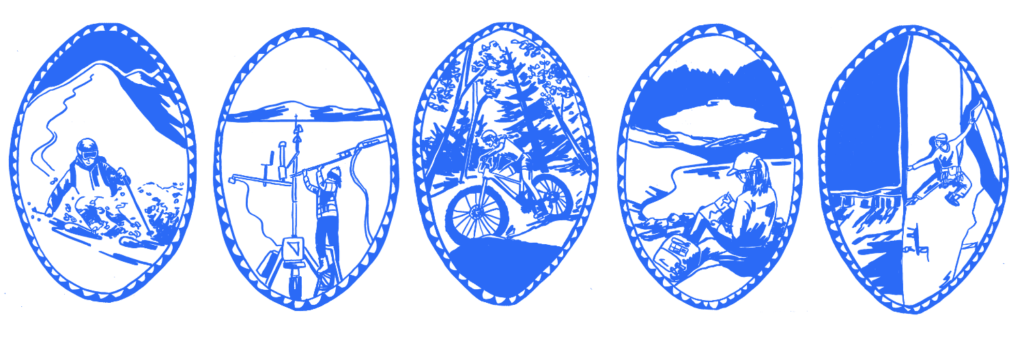
Gear. Travel. Chairlifts. Bike tires. None of it comes without impact – but guilt over individual actions was never the solution. Real power is in numbers, and in working collectively to change a system that isn’t working for us. We’re part of a community with unique skills, lived experience, and a story to tell, and together we have the power to protect this planet. When people who love the outdoors pull in the same direction, we can protect our winters, waters, wild places, and communities in a changing world.
Building a New Normal
Big change always seems untenable until people normalize it. If you grew up skiing in the ’90s, you probably thought helmets were just for the alpine race team, never saw solar panels on a neighbor’s roof, and still had to ask for the non-smoking section at your favorite dive…if they had one. Shifts like these didn’t show up cleanly on a spreadsheet while they were happening. They also didn’t wait for permission. Norms are the standards we measure the world against, and they move more than we give them credit for.
Take the red hat in 2016. Plenty of pollsters read those hats as empty merch. They were wrong. Politics aside, the hat was a proxy for a shift in norms–a signal that became political will, and political will that became very real power. Power to shape and change the world around us.
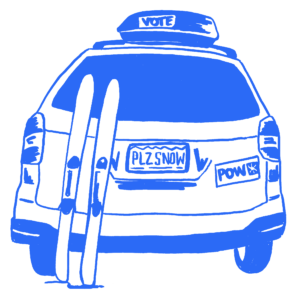
That’s what happens when an identity becomes a movement. We like to think that is what a POW bumper sticker represents on the bumper of a car at the ski slopes. A signal that you’re in: if you play outside, you have to give a shit about the planet. Movement building is like good skin glue: it’s not the sexy pow turn, but it’s what gets you there.
People power
We turn the outdoor community’s shared passion into shared responsibility.
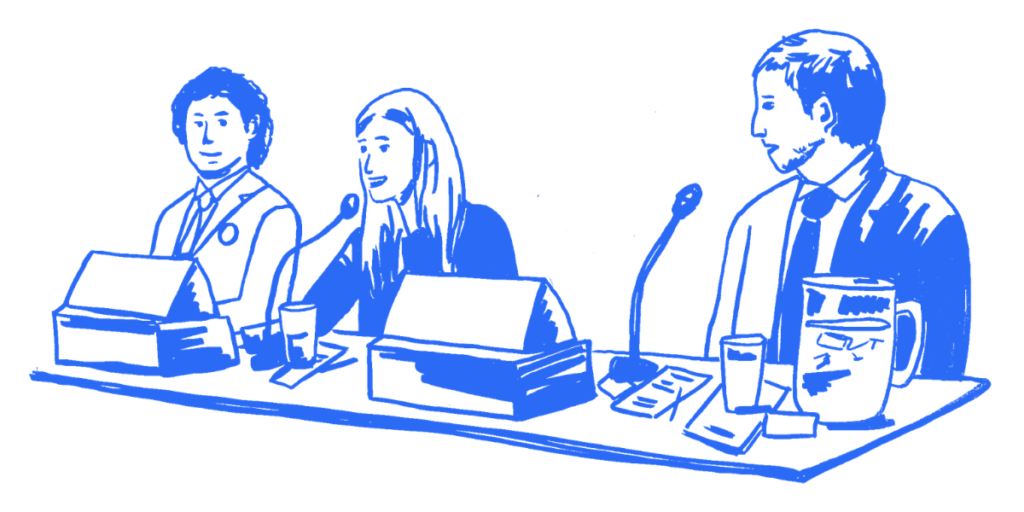
Movement building builds power, and advocacy spends it on a better world. POW organizes outdoor leaders to speak up for clean energy, public lands, democracy, and fighting for the health of our climate. Grassroots mobilizing carries this message into the town halls, county commission meetings, and city planning sessions that break trail. Infrastructure, investment, and technology need advocates. A healthy climate needs advocates. Advocacy is a foundational step in untangling carbon from a system that has baked it into everyday life.
That advocacy is what builds “political will.” Solar didn’t become the cheapest and most scalable form of energy just because of technological breakthroughs. Policy, tax credits, and deployment incentives helped it get there. That took political will.
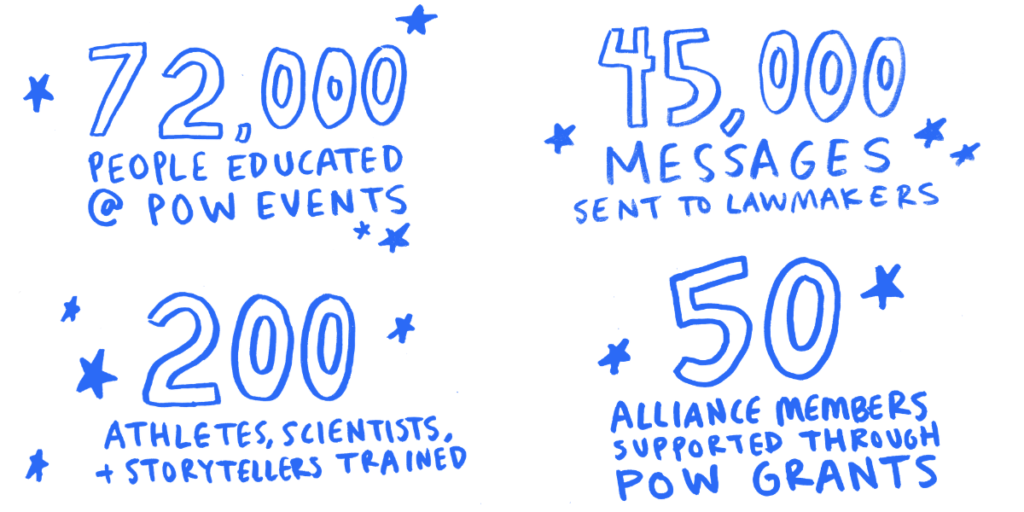
Last year we trained 200 athletes, scientists, and storytellers, funded 50 of them to lead their own climate projects, and watched those members take some 600 climate actions of their own–advocacy, education, awareness, and outreach beyond POW. Across 150 events, 72,000 people showed up in person to learn about climate change. Our stories were seen 36 million times and mentioned in the news another 1,500 times. And at a Montana Public Service Commission hearing on resource planning in the summer of 2026, POW representatives drove six hours to be there and made up nearly a third of the room. Other organizations are in a better position to sue lawmakers, site a solar project, or build new transmission lines. POW has the social currency to make caring for the planet stylish and cumpulsory–and that’s where political will starts.
‘Cool’ is what gets people to county commission meetings, knocking on doors, writing congress, talking to friends, and doing thankless work 12 steps before anyone gets credit for the win. Fossil fuel companies spent nearly half a billion dollars on the last election, we are up against unprecedented and fast moving change. POW’s operational budget is less than the cost of many oil executive’s third house, but we get people to show up. Decarbonization starts with a movement.
The principles are simple: burn less carbon, build more clean energy, create durable decarbonized systems. Right now at POW, it looks like three pillars of work:
Defend what we love.
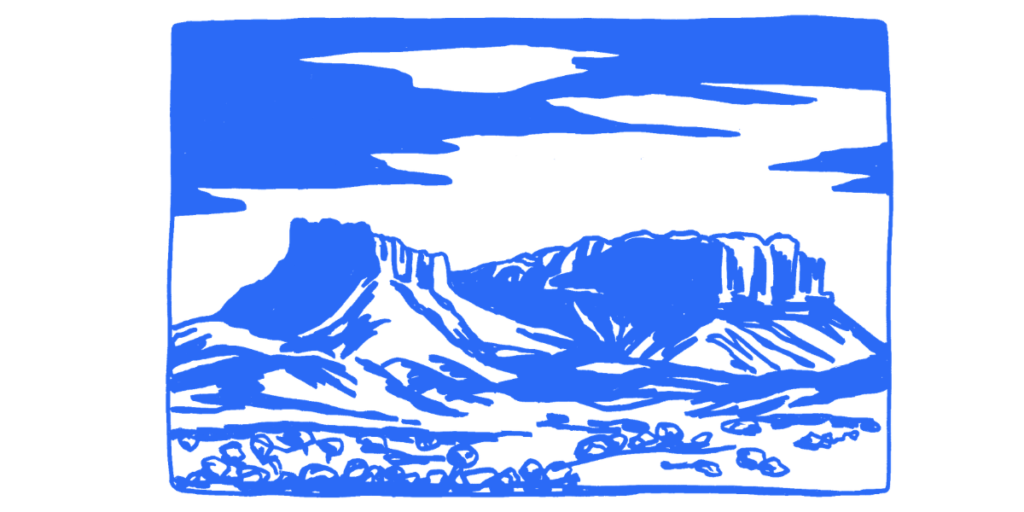
Public lands policy decides whether we drill for old carbon or permit new wind farms, and whether the wild places and carbon sinks we depend on survive. Outdoor recreation is a $1.3 trillion economy, we make sure decision makers in DC know that our voice matters. When congressional budget reconciliation included public lands sell offs, we spoke up. We’re sharing stories and voices from the Arctic Refuge and Bear’s Ears. Thousands signed on to tell our politicians that attacking these places is not okay. We work to block fossil fuel expansion on public lands and defend the science and the rules that protect them.
Build what we need.
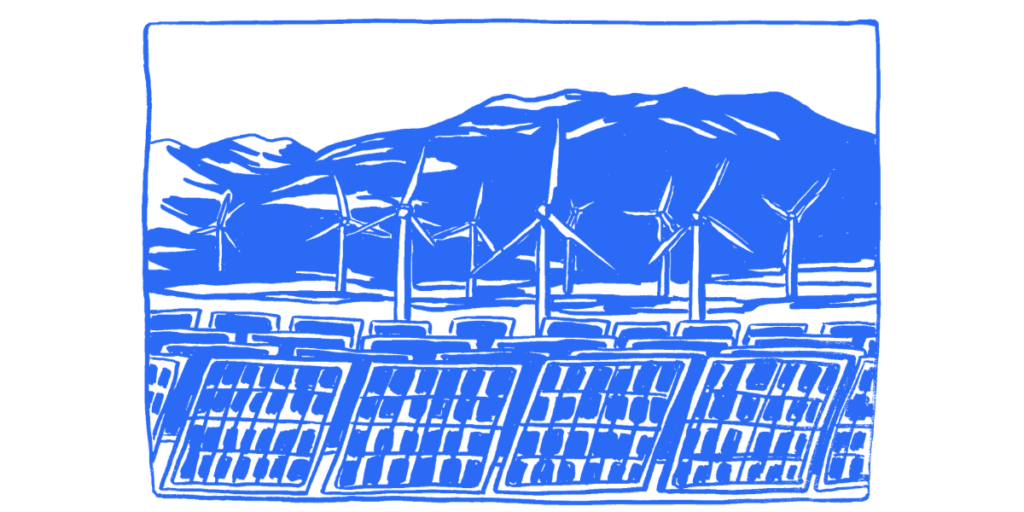
Electricity, transportation, and industry each account for roughly a quarter of U.S. emissions; buildings and agriculture make up the rest. Last year, wind, solar, and batteries were 93% of the new electricity capacity added in this country. Our clean energy campaign has helped realize 297 MW of it so far, on the way to 500 by the end of 2026 and the goal of a full GW by 2028, through scrappy, community-led fights in Montana, Nevada, Colorado, New England, and beyond.
Shift who decides.
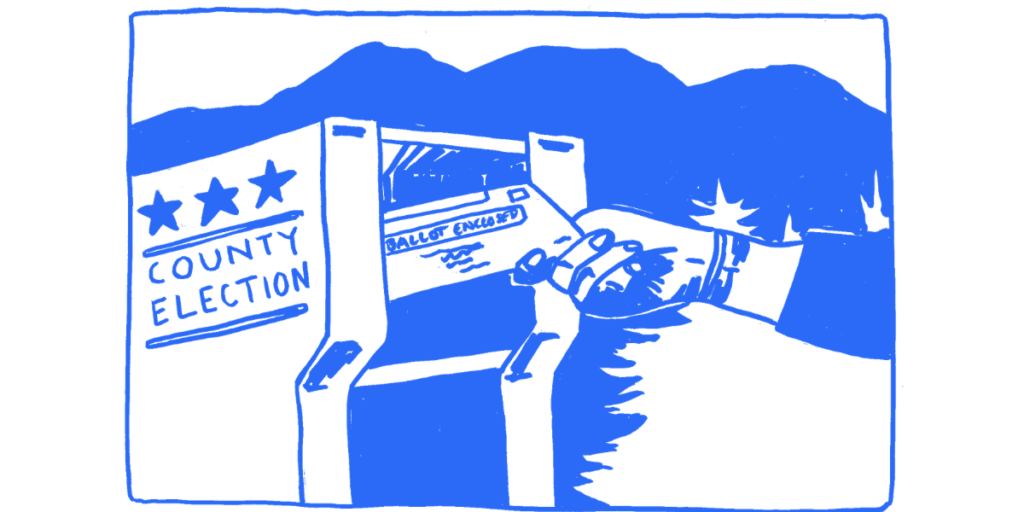
Policy is how collective action becomes law. Many people who recreate outdoors don’t vote, and in the last federal election our get-out-the-vote work reached 7.5 million people. It wasn’t enough–but that was just a signal, not permission to quit. Last year our supporters sent more than 47,000 messages to decision-makers, and 16,000 advocates joined our campaigns. We bring athletes to Washington to talk with members of Congress and national decision makers, we speak up at county permitting meetings, we knock on doors, and we translate the science and the politics for millions of skiers, runners, riders, and climbers.
We’re never going to reach everyone who plays outside, and we don’t have to, because we reach the people who set the tone, and they reach millions more. We have grassroots chapters in Reno/Tahoe, Western Colorado, New England, and Montana doing the door-to-door work no ad buy can replace. Norms don’t come from nowhere. They travel from trusted people to the people who trust them. The social science is clear: education widens the window of possible action, norm shifting is decisive, and trusted messengers are what carry it through.
Our stories of rainy winters in the mountains or oppressively hot summers on the trail can be the differentiator in moving our industry and communities. Olympians taking to the capital, climbers fighting for solar resources in the Southwest, dogsledding to snow science research sites in the Arctic, POW flags at 8000 meters, athletes speaking about climate on World Cup tours: our community shows what’s possible. We are coaching and empowering leaders in the outdoor community to speak up at the United Nations, New York Climate Week, at marathons, ultramarathons, with breakthrough art, film, and stories showing up for public lands and climate. POW shows up and turns out our community so that together we can lead the way for a just transition to a fossil fuel free world.
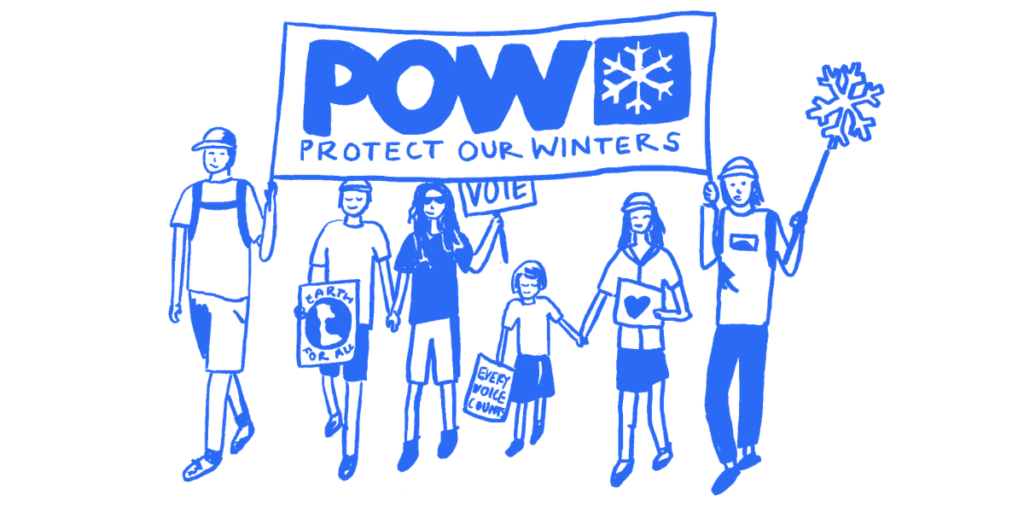
Can we take sole credit for wins we’re a part of? No. And that’s the whole point. Movement building is not about one group. It’s collective action driving real world impact. We are part of a community shoving, together, right now, to move the future and the systems that shape it.
Large majorities of Americans want to invest in renewable energy; only a small minority want to drill places like the Arctic National Wildlife Refuge. 76% want to understand how climate change is hitting their cost of living. The public is already closer to where we need to be than our policy is. Our job is to turn that quiet agreement into bold action.
Is any of this perfect? No. But we can’t wait for perfect, and treating imperfection as a reason to sit down is how you lose. We don’t measure success by whether POW is better off. We measure it by whether the planet is.
One day, all those trucks at the trailhead will be electric (and we hope the EVs will have POW stickers on their bumpers). But the fight is not about the truck. It’s about the difference between a powder day and rain. It’s about our towns, our rivers, our mountains, and our kids. It’s about doing what’s right and the future we want to ski, ride, climb, and run into.
So, what comes next?
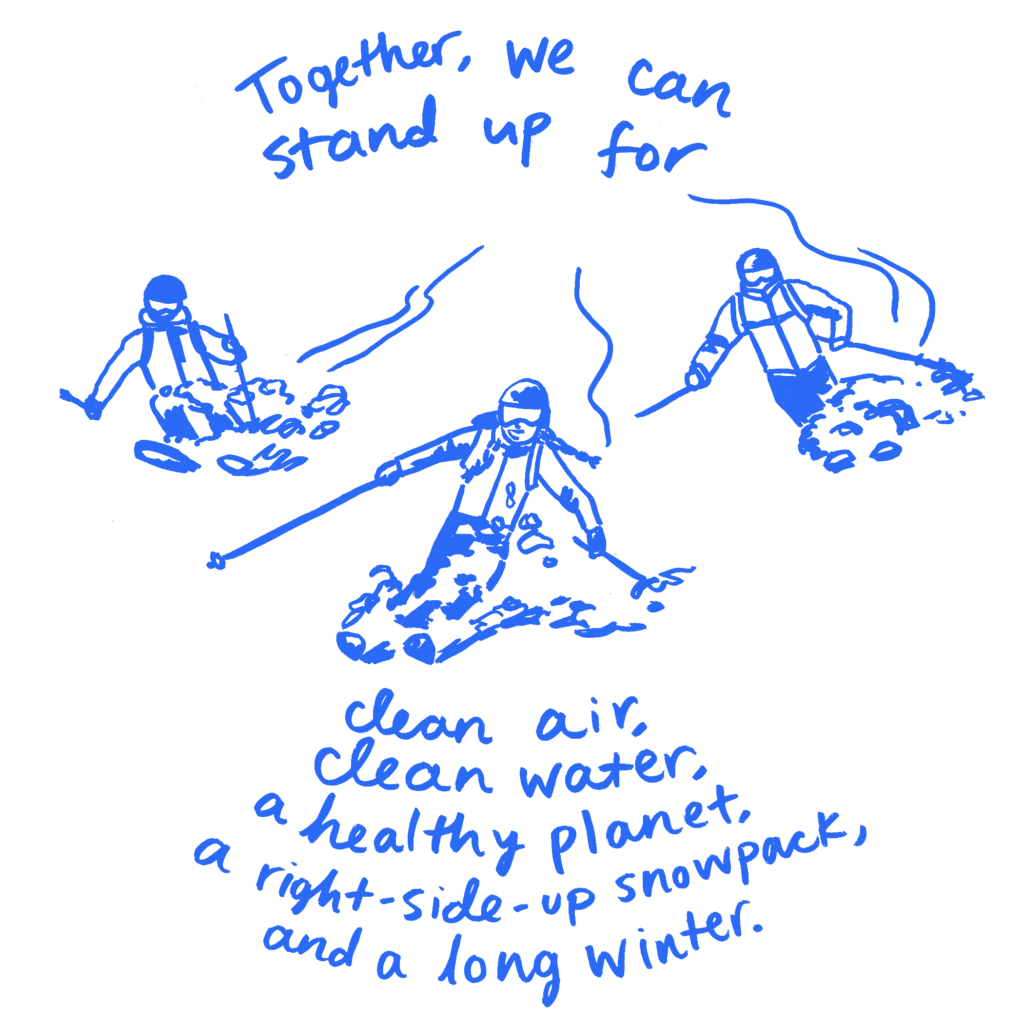
You do. Together we can stand up for clean air, clean water, a healthy planet, a right-side-up snowpack, and a long winter.

Author: Protect Our Winters
Protect Our Winters is a 501(c)(3) nonprofit that helps passionate outdoor people protect the places and experiences they love from climate change. Founded in 2007 by professional snowboarder Jeremy Jones, POW is a community of athletes, scientists, creatives, and business leaders advancing non-partisan policies that protect our world today and for future generations. For more information, visit www.protectourwinters.org.
